Diplomats, Covert Missions & Specializations
Diplomats: a primary game mechanic in Atomic Dawn: a cold war grand strategy game.
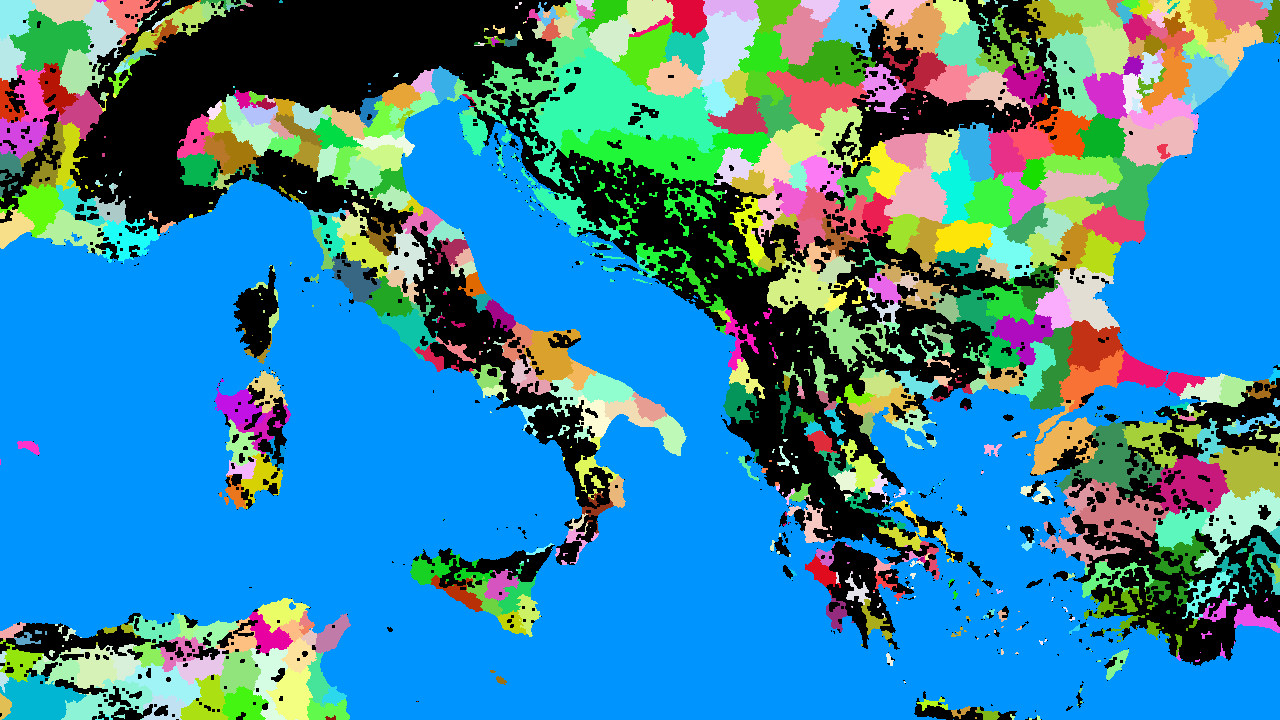
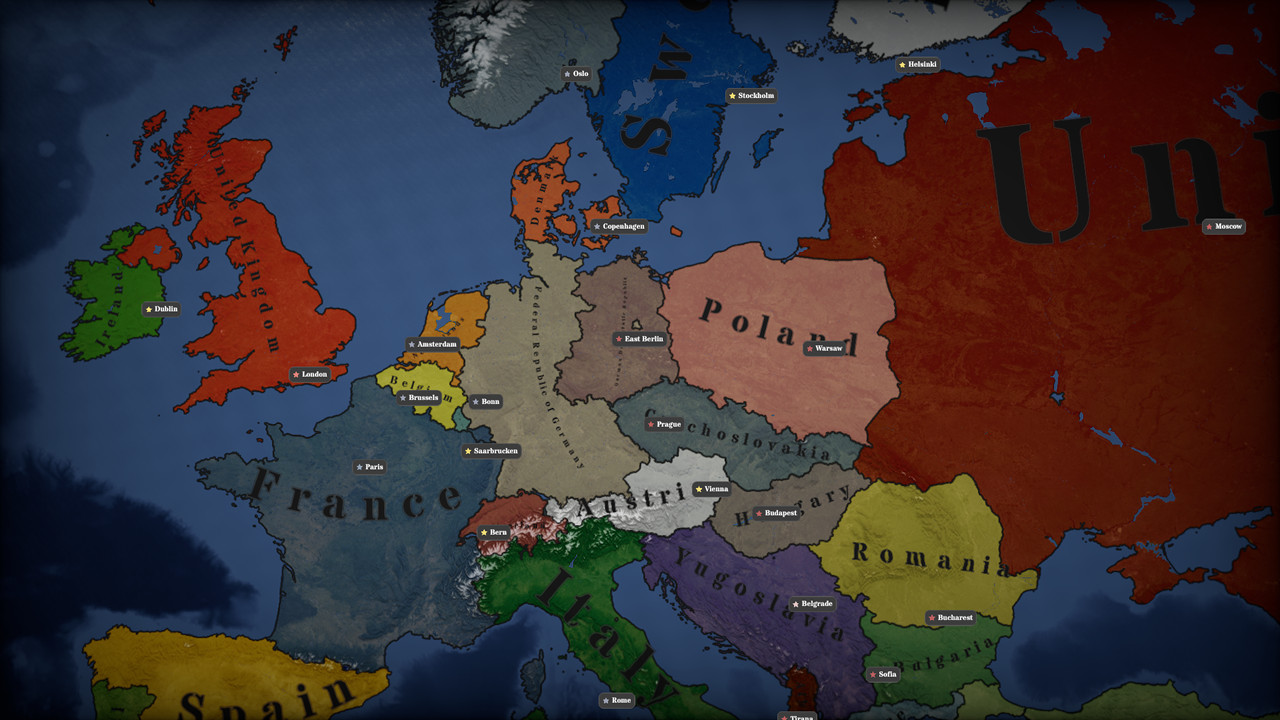
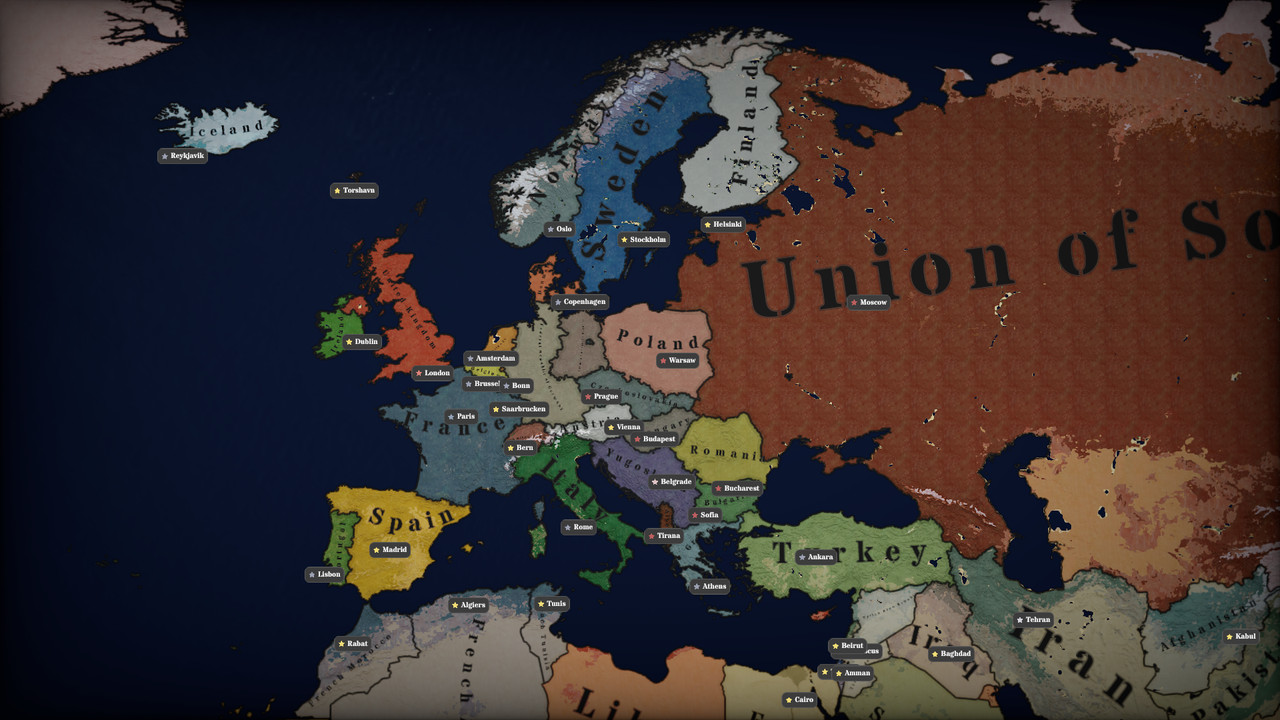
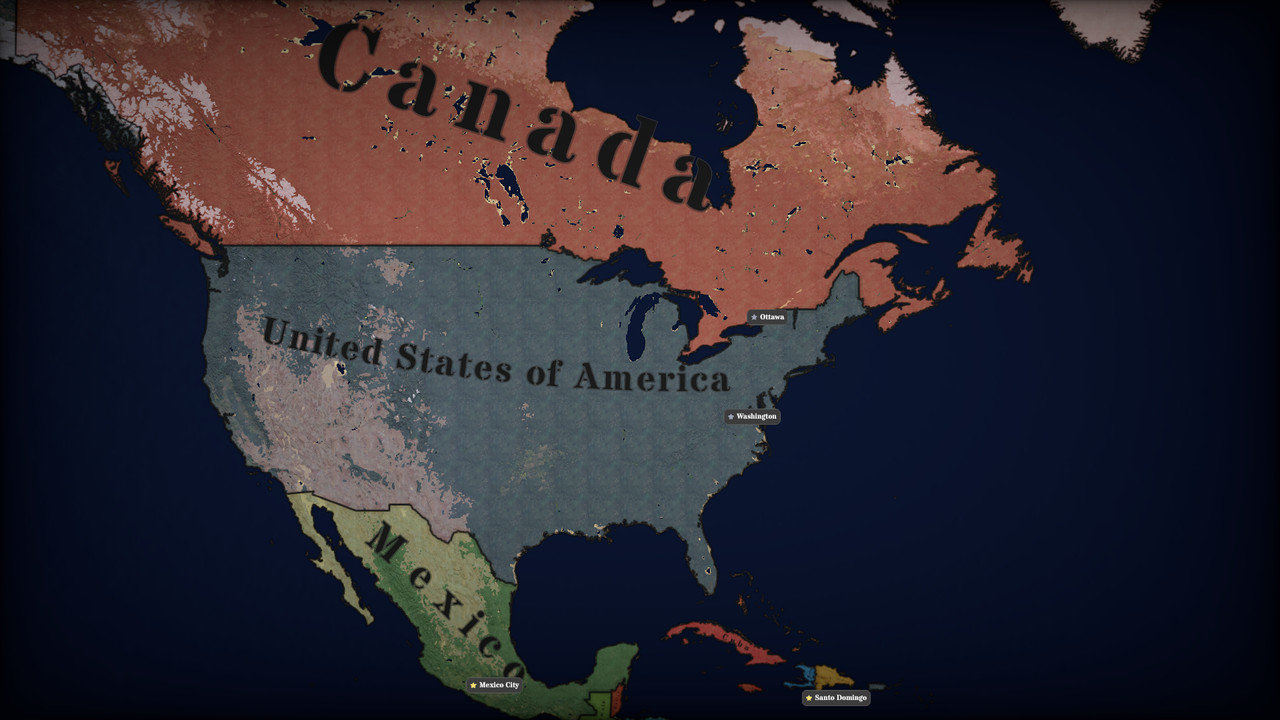
A handful of map screenshots
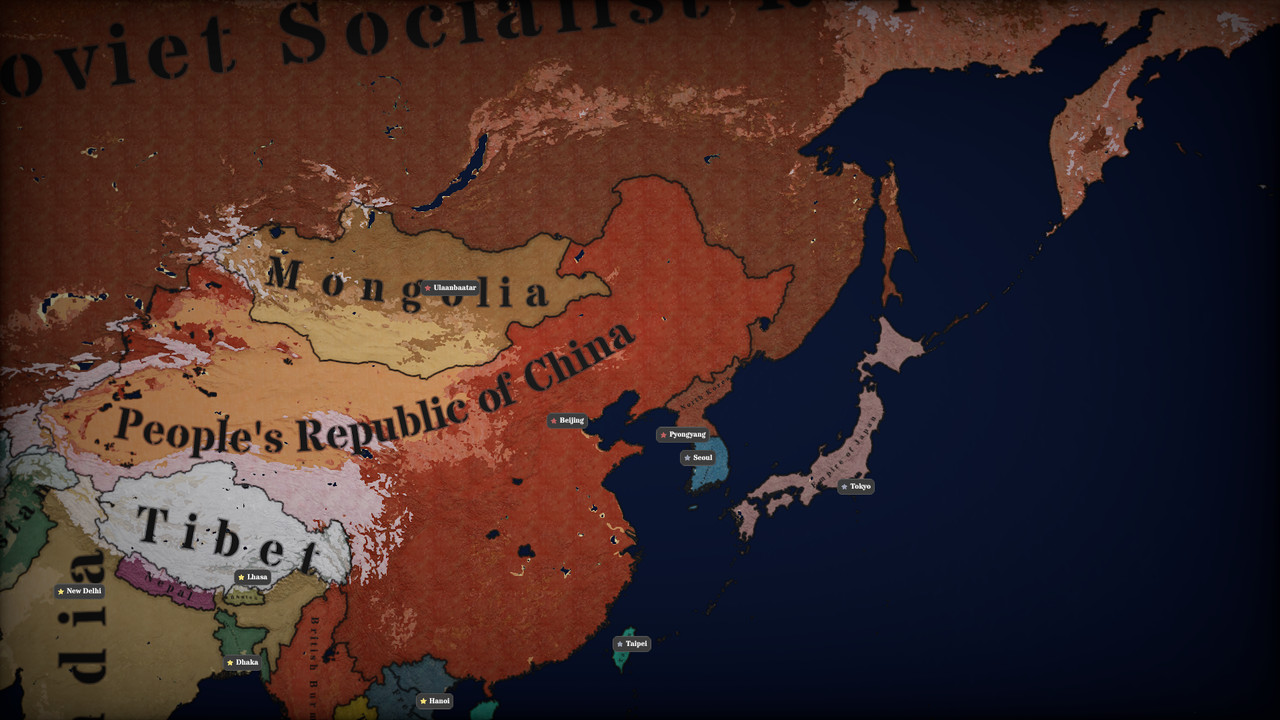
If you're in the Atomic Dawn Discord server, you'll already have seen these. If not, here's a bunch of screenshots from the zoomed-out flat map mode:
Diplomats
Diplomats are a core gameplay element in Atomic Dawn. Diplomats are the people you send to negotiate treaties, enter into alliances, to send insults, and to perform covert missions.
Diplomats have names, ages, traits, and experience. Traits are partly inherent, partly received from events, and provide bonuses, maluses, and sometimes even impact which events pop up.
Missions
Diplomats go on missions. Missions are started, take some time to complete, and when complete, trigger an event deciding the outcome of the mission. They also have pulses which are how progress is assigned. Each pulse triggers an event. The default event is "smooth sailing", adding some bit of progress to the mission and bringing it closer to finishing. Some events are boons, such as finding a trustworthy local contact, some events are disasters, such as when the trustworthy local contact turns out to have been an enemy double agent all along.
Missions can be diplomatic, such as negotiating a treaty, or covert, such as stoking the resentment of a marginalized ethnic group in an enemy country.
Missions reward diplomats with experience points.
Experience Points
As diplomats gain experience points, they can use them to unlock "talents" in one of three "talent trees" (specializations is a better name, I guess). The available specializations are Ambassador, Spymaster, and Agitator.
The Ambassador is the quintessential diplomat: the more you invest into this tree, the better your diplomat will be at rapidly building trust with other countries, their internal factions, etc. Ambassadors gain bonuses that make negotiating treaties easier and faster, too. Ideally, you'll want at least one Ambassador-specialized diplomat in your lineup, to help you land diplomatic treaties.
The Spymaster specialization is an expert of covert ops, using their diplomatic immunity to organize agents in foreign lands. Spending points in this tree will unlock new ways to subvert enemy countries, cause internal dissent, and allow you to attempt coups to remove heads of state you don't agree with - sometimes literally.
The Agitator specialization is more focused on the internal factions of countries, such as labor unions and industrialists. Both in your own country, and abroad, you can use these abilities to shape the internal factions of the world as you wish with money, weapons, and propaganda. Whereas the Ambassador attempts to forge diplomatic bonds, and the Spymaster attempts to use hard power to change facts on the ground, the Agitator captures the hearts and minds of the public, either to strengthen your own regime, or to make sure its ideological allies are positioned to take power in another.
What about the building placement?
I finished the algorithm for generating the graph of valid placements. The next step is an algorithm to place the actual buildings, preferably with some street grids, varied buildings, etc. I'm still working on that, but right now, gameplay is more prioritized.